Khatim un-Nabiyyinخَاتَمُ النَّبِيِّينَ
Transliteration: Khā-tim un-Na-biy-yeen
Meaning: The Seal of All Prophets
معنی: تمام نبیوں کی مہر، آخری نبی
Arabic Root: خ-ت-م (Khatama)
Khatam un-Nabiyyin (خَاتَمُ النَّبِيِّينَ) is the most theologically significant compound title in all of Islamic prophetology. Explicitly stated in Quran 33:40, it declares Muhammad ﷺ as the final prophet in the entire ...
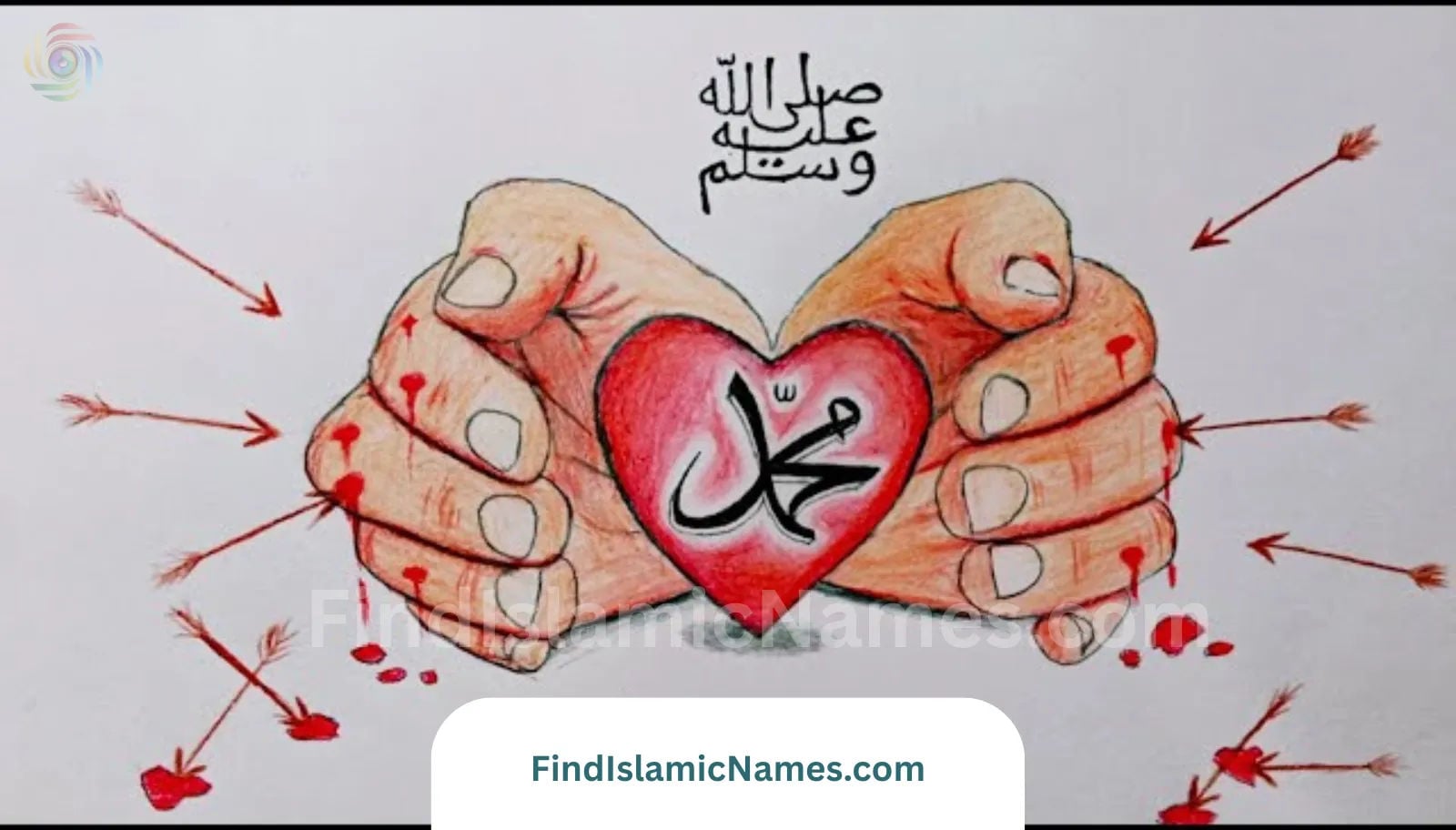
Khatim un-Nabiyyin
خَاتَمُ النَّبِيِّينَMeaning: The Seal of All Prophets
Complete Meaning of Khatim un-Nabiyyin
Khatam un-Nabiyyin (خَاتَمُ النَّبِيِّينَ) is the most theologically significant compound title in all of Islamic prophetology. Explicitly stated in Quran 33:40, it declares Muhammad ﷺ as the final prophet in the entire sequence of 124,000 prophets sent from Adam (AS) to the last of humankind. The metaphor of the 'khatam' (seal/ring) is rich: a seal authenticates everything above it on a document; a ring completes what was partial. As Khatam un-Nabiyyin, the Prophet ﷺ both completes and authenticates all prophets before him — accepting them all, fulfilling their prophecies, and closing the chapter of prophethood with the most complete, universal, and divinely preserved message. The belief in Khatm un-Nubuwwa (the Finality of Prophethood) is a core pillar of Islamic creed (aqidah), established by this Quranic verse, confirmed in multiple sahih hadith, and unanimously affirmed by all classical Islamic scholars across 1400 years.
Arabic Root: خ-ت-م (Khatama) — to seal, to complete, to stamp. Combined with Al-Nabiyyeen (the prophets, plural of Nabi). Khatam un-Nabiyyin means 'The Seal of the Prophets' — the one whose prophethood seals, completes, and authenticates the entire sequence of prophethood from Adam (AS).
Why Khatim un-Nabiyyin Is Significant
- 1.Quran 33:40 — the only verse in the Quran that uses the specific compound 'Khatam un-Nabiyyin' — is considered the most direct and final Quranic declaration about the end of prophethood
- 2.The belief in his finality (Khatm un-Nubuwwa) is universally considered a core requirement of Islamic belief — denying it places one outside the bounds of Islamic orthodoxy according to all four major schools of Islamic jurisprudence
- 3.This name connects to multiple other names: Al-Aqib (the last — no prophet after him), Al-Hashir (the gatherer — prophet of the final gathering), Al-Mahi (the eraser — of all previous systems through his complete message)
- 4.The practical implication of Khatam un-Nabiyyin is that the Quran is the final, unchanged scripture — divinely preserved because no subsequent revelation will correct or complement it
- 5.Classical scholars such as Ibn Kathir extensively commented on 33:40, citing additional hadith confirming the meaning: 'There will be no prophet after me' (la nabiyya ba'di) — a phrase the Prophet himself repeated multiple times in authenticated narrations
Khatim un-Nabiyyin in the Quran
مَّا كَانَ مُحَمَّدٌ أَبَا أَحَدٍ مِّن رِّجَالِكُمْ وَلَٰكِن رَّسُولَ اللَّهِ وَخَاتَمَ النَّبِيِّينَ ۗ وَكَانَ اللَّهُ بِكُلِّ شَيْءٍ عَلِيمًا
(Quran 33:40)
Hadith References for Khatim un-Nabiyyin
"There will be no prophet after me (la nabiyya ba'di). And there will be caliphs and they will be many. The companions asked: What do you command us to do? He said: Fulfill the pledge to each one in turn and ask Allah for what is your right."
"The chain of messengers and prophets has come to an end. There shall be no messenger nor prophet after me."
Virtue
His prophethood completed what Adam (AS) began — the long arc of divine guidance reaching its fullest, most perfect expression. The Quran's preservation (guaranteed by Allah, operationalized through the Prophet's care) is the standing proof that the Khatam's message was designed to last forever.
How to Use "Khatim un-Nabiyyin" in Salawat (Blessings)
The Salawat Ibrahim — recited in every prayer — honors Khatam un-Nabiyyin by sending blessings upon him 'as You sent blessings upon Ibrahim and his family.' By invoking the model of Ibrahim's Salawat, the believer honors the Prophet as the completion of the Abrahamic prophetic tradition — the Khatam who fulfills what Ibrahim (AS), the father of prophets, began.
Spiritual Lesson from "Khatim un-Nabiyyin"
Khatam un-Nabiyyin teaches that completion is the greatest honor. Being last in a chain does not mean being an afterthought — it means being the culmination, the fulfillment, the perfection of what came before. The Prophet's ﷺ finality means his guidance is not provisional — it is permanent. It is not tribal — it is universal. It is not partial — it is complete. The believer who understands this treats the Sunnah not as cultural inheritance but as divine completion.
Can I Name My Child "Khatim un-Nabiyyin"?
Khatam un-Nabiyyin as a full title is used as an honorific, not a personal name. 'Khatim' alone (from the same root — see name 8) is used as a baby name. Some families use compound names like 'Khatimuddin' (Seal of the Religion) to honor this quality of the Prophet ﷺ.
❓ Frequently Asked Questions about "Khatim un-Nabiyyin"
Q1.What does Khatam un-Nabiyyin mean?
Q2.What Quranic verse confirms Khatam un-Nabiyyin?
Q3.What did the Prophet ﷺ say about being the last prophet?
Q4.What is the Islamic belief about Khatm un-Nubuwwa?
Q5.Is Khatam un-Nabiyyin the same as Al-Aqib?
Name Information
Quick Reference
Quran 33:56
Recommended: Recite Salawat upon learning this name
🔗 Related Names
Send Blessings Upon the Prophet ﷺ
"Indeed, Allah and His angels send blessings upon the Prophet. O you who believe, send blessings upon him and greet him with peace." — Quran 33:56
Understanding Khatim un-Nabiyyin — A Complete Islamic Guide
Khatim un-Nabiyyin (خَاتَمُ النَّبِيِّينَ) is one of the blessed names of Prophet Muhammad ﷺ, meaning "The Seal of All Prophets". This name falls under the Quranic category of his names and titles and is mentioned 1 time in the Holy Quran.
Khatam un-Nabiyyin (خَاتَمُ النَّبِيِّينَ) is the most theologically significant compound title in all of Islamic prophetology. Explicitly stated in Quran 33:40, it declares Muhammad ﷺ as the final prophet in the entire sequence of 124,000 prophets sent from Adam (AS) to the last of humankind. The metaphor of the 'khatam' (seal/ring) is rich: a seal authenticates everything above it on a document;...
Arabic Root: خ-ت-م (Khatama) — to seal, to complete, to stamp. Combined with Al-Nabiyyeen (the prophets, plural of Nabi). Khatam un-Nabiyyin means 'The Seal of the Prophets' — the one whose prophethood seals, completes, and authenticates the entire sequence of prophethood from Adam (AS).
Khatim un-Nabiyyin Among the Quranic Names
The 300+ names and titles of Prophet Muhammad ﷺ are grouped into categories that help readers understand the source and nature of each name. Khatim un-Nabiyyin belongs to the Quranic category, which includes names and titles explicitly mentioned in the verses of the Holy Quran.
Other Quranic Names:
How Muslims Use "Khatim un-Nabiyyin" Today
In Salawat
Muslims invoke the Prophet's ﷺ blessed names — including Khatim un-Nabiyyin — when sending Salawat (blessings) upon him, an act of worship highly rewarded in Islam.
In Study (Seerah)
Each name reveals a unique dimension of the Prophet's ﷺ character and mission, helping students of Seerah understand his complete biography.
As a Baby Name
Khatam un-Nabiyyin as a full title is used as an honorific, not a personal name. 'Khatim' alone (from the same root — see name 8) is used as...
Continue Exploring the Names of the Prophet ﷺ
Browse Islamic Names
Send Blessings Upon the Prophet ﷺ
"Indeed, Allah and His angels send blessings upon the Prophet. O you who believe, send blessings upon him and greet him with peace." — Quran 33:56
May Allah send abundant blessings and peace upon our Prophet Muhammad, his family, and his companions. Ameen.