Mustafaالْمُصْطَفَى
Transliteration: Mus-ta-fā
Meaning: The Chosen One
معنی: چنا ہوا، منتخب، اللہ کا پسندیدہ
Arabic Root: ص-ف-و (Safaa)
Al-Mustafa (الْمُصْطَفَى) — The Chosen One — is perhaps the most widely recognized and beloved of all the Prophet's titles, particularly in devotional Islamic literature and Sufi poetry. It expresses the fundamental Isla...
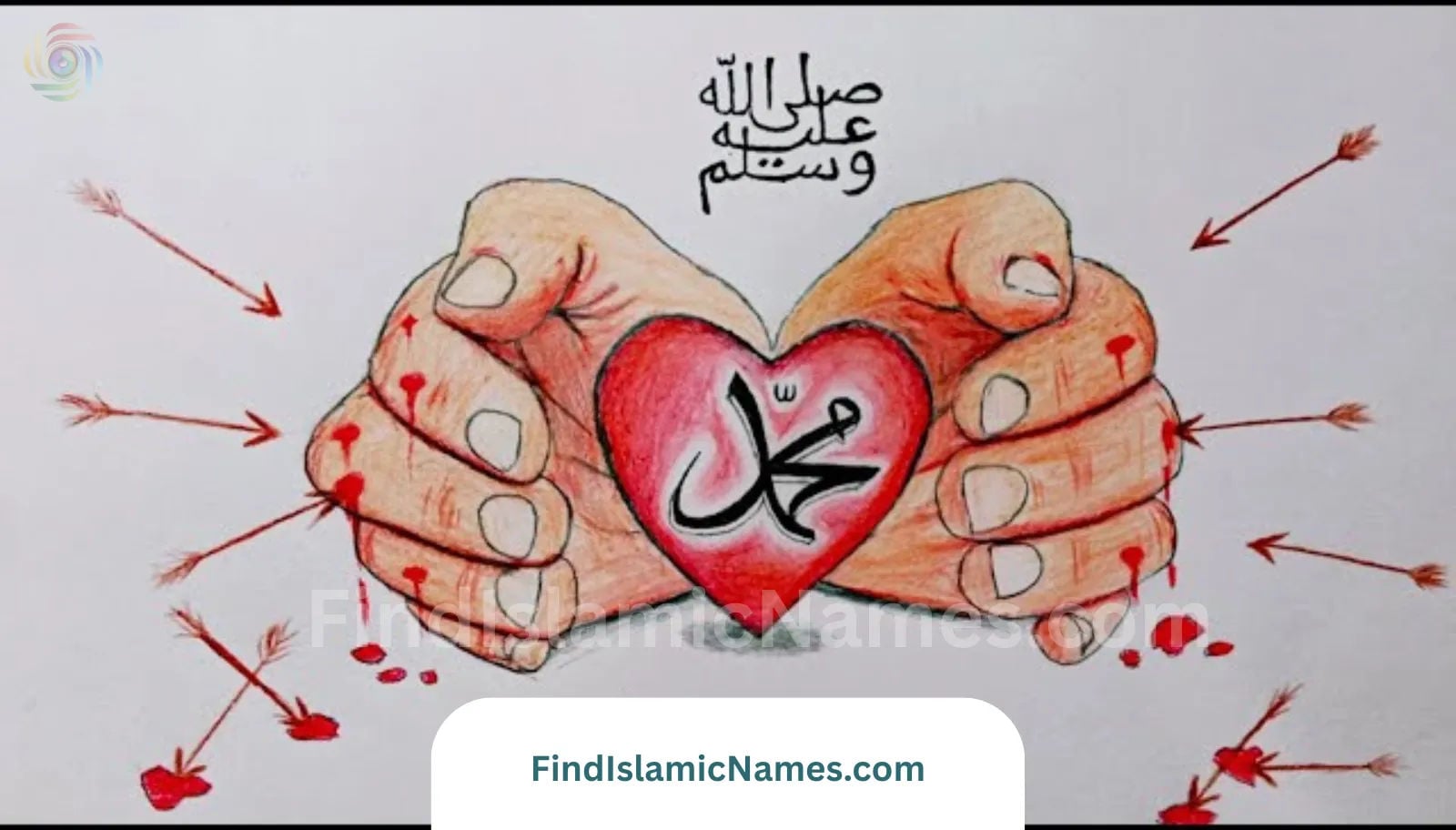
Mustafa
الْمُصْطَفَىMeaning: The Chosen One
Complete Meaning of Mustafa
Al-Mustafa (الْمُصْطَفَى) — The Chosen One — is perhaps the most widely recognized and beloved of all the Prophet's titles, particularly in devotional Islamic literature and Sufi poetry. It expresses the fundamental Islamic belief that his selection as the final prophet was not historical accident but a deliberate divine choice made before the creation of the world. Authentic narrations describe Allah choosing the prophets from among the noble, the noble from among their families, and Muhammad ﷺ from the most noble of all. The Arabic root 'safaa' (from which Mustafa derives) means both 'to be selected' and 'to be pure/refined' — suggesting that the process of divine selection is also a process of spiritual refinement. Al-Mustafa was chosen not arbitrarily but because his character, capacity, and spiritual reality uniquely qualified him for the mission of delivering the final, universal message of Islam to all of humanity for all time.
Arabic Root: ص-ف-و (Safaa) — to be pure, to be selected, to be the best of something. Al-Mustafa is the passive participle of the eighth verbal form (ifti'al), meaning 'the one who has been specifically chosen and selected' — indicating a deliberate, divine selection from among all available options.
Why Mustafa Is Significant
- 1.Mustafa is the most widely used honorary title of the Prophet ﷺ in Islamic devotional poetry — appearing in thousands of Qasidas, Nasheeds, and Naats across every language in the Muslim world
- 2.The concept of divine selection (istikhlas) — expressed in Al-Mustafa — is central to Islamic theology: Allah's choices are not random but reflect perfect wisdom about the most suitable vessel for each divine mission
- 3.Classical scholars describe the Prophet's selection as pre-eternal: 'Allah selected the Quraysh from among the Arabs, and selected the Banu Hashim from among the Quraysh, and selected Muhammad from among the Banu Hashim' — showing a progressive divine narrowing toward the most chosen
- 4.His selection as Mustafa is the basis for the Islamic belief in prophetic infallibility ('isma) — the chosen one is protected from sin in his prophetic role because Allah's selection would not place a morally compromised individual in that position
- 5.The title Al-Mustafa is used as a proper name substitute for the Prophet ﷺ in contexts where the name 'Muhammad' is considered too direct or familiar — reflecting the depth of Islamic reverence for him
Mustafa in the Quran
Established through the Quran's description of the Prophet ﷺ as Allah's chosen one: 'Allah chooses from the angels messengers and from humanity' (22:75) — and through hadith and scholarly consensus placing him as the highest of the chosen
Hadith References for Mustafa
"Allah selected Ismail from the sons of Ibrahim, Kinana from the sons of Ismail, Quraysh from Kinana, Banu Hashim from Quraysh, and me from Banu Hashim. So I am the best of you in lineage."
"I was a Prophet while Adam was still between water and clay."
Virtue
He was selected above all of creation for the most honored mission in human history. This selection was pre-eternal, comprehensive, and divinely deliberate — from his lineage to his character to his spiritual capacity for the final prophetic mission.
How to Use "Mustafa" in Salawat (Blessings)
Al-Mustafa is perhaps the most beloved name for Salawat in traditional Islamic devotional culture. Countless Salawat poetry begins with 'Ya Mustafa' — invoking the Chosen One. A meaningful Salawat upon Al-Mustafa: 'Allahumma salli ala al-Mustafa al-mukhtar min khalqik — wa habibik al-ladhi akramtahu bil-Isra wal-Mi'raj' — O Allah, send blessings upon the Chosen One selected from Your creation and Your Beloved whom You honored with the Night Journey and Ascent.
Spiritual Lesson from "Mustafa"
Al-Mustafa teaches that divine selection is purposeful and complete. He was not chosen for his tribal status, wealth, or worldly power — he was chosen for his unique spiritual capacity to receive, embody, and deliver the complete divine message. This teaches that Allah's choices in believers' lives — the family they are born into, the gifts they receive, the tests they face — are also purposeful selections, not random assignments.
Can I Name My Child "Mustafa"?
Mustafa is one of the most popular Islamic names for boys worldwide, meaning 'the chosen one.' It is one of the Prophet's ﷺ most beloved titles, used extensively across all Muslim cultures and languages. It is widely used as a given name and as an alternative to Muhammad in many cultural contexts.
❓ Frequently Asked Questions about "Mustafa"
Q1.What does Mustafa mean as a name of the Prophet ﷺ?
Q2.What hadith confirms the Prophet's title as Al-Mustafa?
Q3.What is the difference between Mustafa and Mujtaba?
Q4.Why is Mustafa used as an alternative name for the Prophet ﷺ?
Q5.Is Mustafa a good baby name for a Muslim boy?
Name Information
Quick Reference
Quran 33:56
Recommended: Recite Salawat upon learning this name
🔗 Related Names
Browse Other Names
Send Blessings Upon the Prophet ﷺ
"Indeed, Allah and His angels send blessings upon the Prophet. O you who believe, send blessings upon him and greet him with peace." — Quran 33:56
Understanding Mustafa — A Complete Islamic Guide
Mustafa (الْمُصْطَفَى) is one of the blessed names of Prophet Muhammad ﷺ, meaning "The Chosen One". This name falls under the Title category of his names and titles.
Al-Mustafa (الْمُصْطَفَى) — The Chosen One — is perhaps the most widely recognized and beloved of all the Prophet's titles, particularly in devotional Islamic literature and Sufi poetry. It expresses the fundamental Islamic belief that his selection as the final prophet was not historical accident but a deliberate divine choice made before the creation of the world. Authentic narrations describe A...
Arabic Root: ص-ف-و (Safaa) — to be pure, to be selected, to be the best of something. Al-Mustafa is the passive participle of the eighth verbal form (ifti'al), meaning 'the one who has been specifically chosen and selected' — indicating a deliberate, divine selection from among all available options.
Mustafa Among the Title Names
The 300+ names and titles of Prophet Muhammad ﷺ are grouped into categories that help readers understand the source and nature of each name. Mustafa belongs to the Title category, which includes honorific titles given to the Prophet ﷺ reflecting his status, mission, and role as the final Messenger.
Other Title Names:
How Muslims Use "Mustafa" Today
In Salawat
Muslims invoke the Prophet's ﷺ blessed names — including Mustafa — when sending Salawat (blessings) upon him, an act of worship highly rewarded in Islam.
In Study (Seerah)
Each name reveals a unique dimension of the Prophet's ﷺ character and mission, helping students of Seerah understand his complete biography.
As a Baby Name
Mustafa is one of the most popular Islamic names for boys worldwide, meaning 'the chosen one.' It is one of the Prophet's ﷺ most beloved tit...
Continue Exploring the Names of the Prophet ﷺ
Browse Islamic Names
Send Blessings Upon the Prophet ﷺ
"Indeed, Allah and His angels send blessings upon the Prophet. O you who believe, send blessings upon him and greet him with peace." — Quran 33:56
May Allah send abundant blessings and peace upon our Prophet Muhammad, his family, and his companions. Ameen.