Sahabiyat Names for Girls with Meanings
Female Companions of Prophet Muhammad ﷺ | Urdu · English · Arabic
Discover 67+ authentic Sahabiyat names — female companions of Prophet Muhammad ﷺ — with meanings in Urdu, English and Arabic. Includes the Mothers of Believers (Ummahat-ul-Mu'mineen), the daughters of the Prophet ﷺ, Sahabiyat given glad tidings of Paradise, and rare companion names — each with its documented historical background.
صحابیات رضی اللہ عنہن کے نام اردو، انگریزی اور عربی معنی کے ساتھ — امہات المومنین، نبی کریم ﷺ کی صاحبزادیوں اور تمام صحابیات کے نام ایک جگہ۔
Showing 17 of 67 Sahabiyat names
Sahabiyat Names with Meanings in Urdu, English & Arabic – Female Companions of Prophet Muhammad ﷺ
The Sahabiyat (صحابیات — female companions of Prophet Muhammad ﷺ) are among the most honoured women in Islamic history. Allah praised the companions in the Quran: "Allah is pleased with them and they are pleased with Him" (At-Tawbah 9:100) — a verse that includes the women alongside the men. Our collection of 67+ Sahabiyat names includes complete Urdu meanings (اردو معنی), English meanings, and Arabic script (عربی).
A quick note on terminology: Sahabiyya is singular (one female companion) and Sahabiyat is plural. The male equivalents are Sahabi and Sahaba — if you're looking for male companion names instead, see our Sahaba Names collection.
Naming your daughter after a Sahabiyya connects her to a real, documented life — a scholar, a teacher, a warrior, or a nurse. The Prophet ﷺ said: "The best women are four: Maryam bint Imran, Asiyah wife of Pharaoh, Khadijah bint Khuwaylid, and Fatimah bint Muhammad." (Sahih Bukhari).
Every Sahabiyat name entry includes:
- ✓Arabic script (عربی) with correct diacritical marks (harakat)
- ✓Complete Urdu meaning (اردو معنی) — for Pakistani & South Asian families
- ✓Full English meaning and linguistic root explanation
- ✓The Sahabiyya's historical role and contribution to Islam
- ✓Hadith or Quranic references where she is mentioned
- ✓Authentic sourcing and Islamic significance
صحابیات رضی اللہ عنہن کے ناموں میں اردو، انگریزی اور عربی تینوں زبانوں میں معنی شامل ہیں۔ یہ پاکستانی، بھارتی اور جنوبی ایشیائی مسلمان خاندانوں کے لیے سب سے مکمل ذریعہ ہے۔
Sahabiyat Names at a Glance
67+
Sahabiyat Names
11
Mothers of Believers
4
Daughters of the Prophet ﷺ
3
Languages Included
Popular Sahabiyat Names for Girls – with Urdu, English & Arabic Meanings
These are the most searched and most loved Sahabiyat names chosen by Muslim parents worldwide. Each name belongs to a female companion who shaped early Islam — with complete Urdu, English and Arabic meanings.
خَدِيجَة
Khadijah
پہلے پیدا ہونے والی
Early born — first wife of the Prophet ﷺ, first Muslim in history
View full meaning →Mother of Believersعَائِشَة
Aisha
زندہ رہنے والی
She who lives — narrator of 2,210 hadith, greatest female scholar
View full meaning →Daughter of Prophetفَاطِمَة
Fatima
دودھ چھڑانے والی
One who abstains — daughter of Prophet ﷺ, leader of women in Jannah
View full meaning →Sahabiyyaأَسْمَاء
Asma
بلند، اعلیٰ
Lofty, exalted — Dhat an-Nitaqayn, courageous daughter of Abu Bakr
View full meaning →Mother of Believersحَفْصَة
Hafsa
شیرنی کا بچہ
Young lioness — wife of Prophet ﷺ, keeper of the Quran manuscript
View full meaning →First Martyrسُمَيَّة
Sumayyah
بلند مرتبہ
Elevated — the very first martyr in the history of Islam
View full meaning →Warriorنُسَيْبَة
Nusayba
باعزت
Noble — brave warrior who defended the Prophet ﷺ at Uhud
View full meaning →First Nurseرُفَيْدَة
Rufaidah
مدد کرنے والی
Helper — the first nurse in Islamic history, established first field hospital
View full meaning →Who Were the Sahabiyat? – The Women of the First Generation
A Sahabiyya (صحابیہ — plural: Sahabiyat) is any woman who: (1) met Prophet Muhammad ﷺ, (2) believed in him during her lifetime, and (3) died as a Muslim — the same criteria applied to the male companions, established by hadith scholars including Ibn Hajar al-Asqalani.
The Sahabiyat came from every walk of life — noblewomen and formerly enslaved women, scholars and warriors, mothers and daughters, the wealthy and the poor. What united them was their faith and their proximity to the Prophet ﷺ.
Categories of Sahabiyat:
The wives of Prophet Muhammad ﷺ — honoured with a unique title in the Quran (Al-Ahzab 33:6).
Zaynab, Ruqayyah, Umm Kulthum, and Fatimah — the four daughters of the Prophet ﷺ.
Women who left everything in Makkah and migrated for Islam — including to Abyssinia and Madinah.
Women of Madinah who welcomed the Prophet ﷺ and the migrants with full generosity.
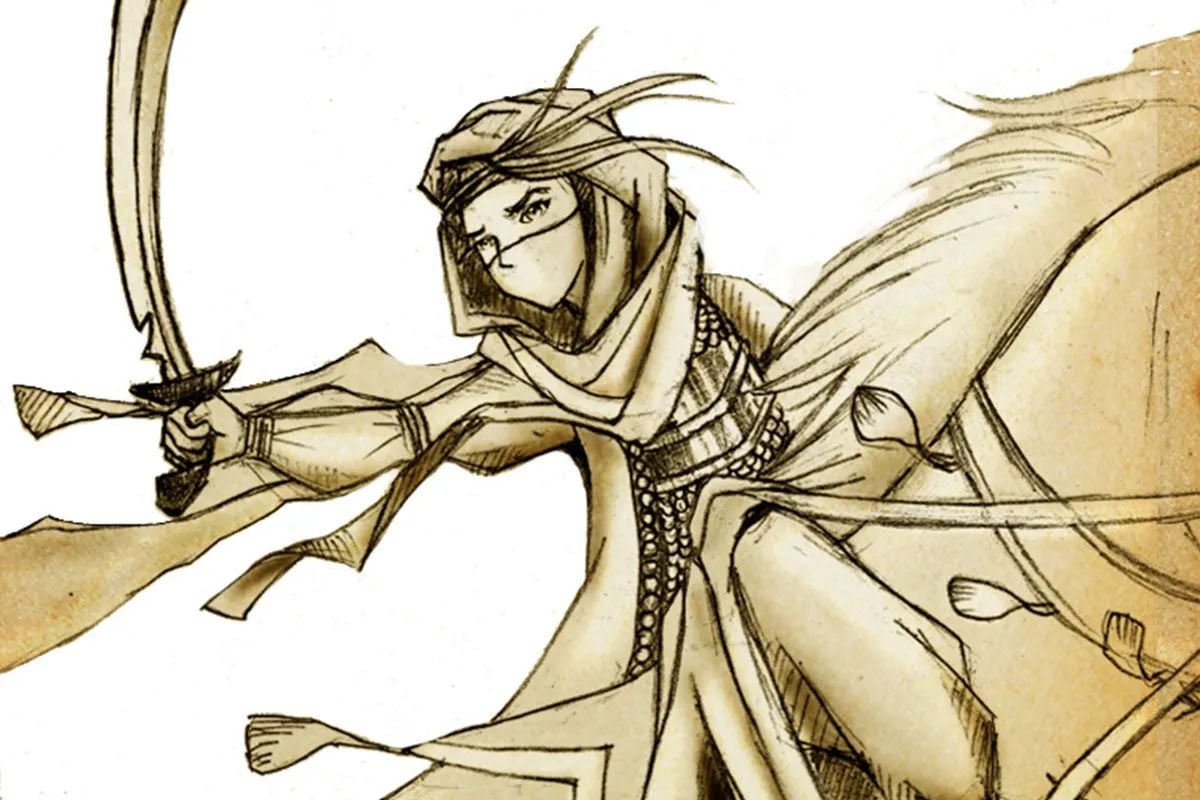
Nusayba bint Ka'b who fought at Uhud, Rufaidah who ran the first field hospital, Shifa bint Abdullah who taught literacy.
"And the first forerunners among the Muhajirun and the Ansar and those who followed them with good conduct — Allah is pleased with them and they are pleased with Him."
— Quran, Surah At-Tawbah (9:100)
This verse covers both the male and female companions — the Sahabiyat are praised alongside the Sahaba.
Choosing a Sahabiyat Name
- ✓Read her story first — each name comes with a documented life, not just a meaning
- ✓Check the literal Arabic meaning alongside the historical association
- ✓Confirm she's a documented companion, not just an Arabic-sounding name
- ✓Pick a consistent English spelling — many names have several accepted transliterations
- ✓Consider how the name works across the languages your family speaks
What Makes a Name an Authentic Sahabiyat Name?
A name isn't a Sahabiyat name simply because it sounds Arabic or appears on a list somewhere. Authenticity means there is a real, documented woman behind it — recorded in the classical biographical literature that scholars have compiled and cross-checked for over a thousand years:
Kitab at-Tabaqat al-Kabir, Vol. 8
Ibn Sa'd (d. 230 AH)
The dedicated classical volume on female companions — it deals exclusively with the women who met the Prophet ﷺ or transmitted from him.
Al-Isabah fi Tamyiz as-Sahaba
Ibn Hajar al-Asqalani
The most comprehensive biographical dictionary of the companions, covering both men and women with detailed verification.
Usud al-Ghaba
Ibn al-Athir
A detailed biographical record cross-referenced against earlier chains of narration.
Ibn Sa'd's Volume 8 is particularly significant for this topic: it is the earliest surviving work devoted entirely to the women of the first generation, which is why you'll see specific roles and stories beside each name on this page rather than a generic dictionary definition.
Mothers of Believers Names – Ummahat-ul-Mu'mineen with Meanings
The Mothers of Believers (أمهات المؤمنين — Ummahat-ul-Mu'mineen) are the wives of Prophet Muhammad ﷺ. Allah gave them this honoured title in the Quran: "The Prophet is closer to the believers than their ownselves, and his wives are their mothers." (Al-Ahzab 33:6). Each name below includes Urdu, English and Arabic meanings.
امہات المومنین — نبی کریم ﷺ کی پاکیزہ ازواج مطہرات، جن کے نام اردو، انگریزی اور عربی تینوں زبانوں میں معنی کے ساتھ درج ہیں۔
خَدِيجَة
First believer in IslamKhadijah
خدیجہ — پہلے پیدا ہونے والی
First wife, first Muslim — supported the Prophet ﷺ at revelation
سَوْدَة
Second wifeSawdah
سودہ — کاروبار کرنے والی
Known for her devotion, generosity and warmth
عَائِشَة
Mother of Islamic knowledgeAisha
عائشہ — زندہ رہنے والی
Greatest female scholar in Islam — narrator of 2,210 hadith
حَفْصَة
Guardian of the QuranHafsa
حفصہ — شیرنی کا بچہ
Young lioness — keeper of the original Quran manuscript
زَيْنَب
Umm al-MasakinZaynab bint Khuzaymah
زینب — خوشبودار پھول
Fragrant flower — known as 'Mother of the Poor' for her charity
أُمّ سَلَمَة
Renowned for wisdomUmm Salama
ام سلمہ — سلامتی کی ماں
Mother of peace — renowned for wisdom and political counsel
زَيْنَب
Known for charityZaynab bint Jahsh
زینب — خوشبودار پھول
Fragrant flower — known for extraordinary charity and generosity
جُوَيْرِيَة
Freed many familiesJuwariyah
جویریہ — چھوٹی لڑکی
Little girl — whose marriage led to the freeing of many captive families
أُمّ حَبِيبَة
Steadfast believerUmm Habibah
ام حبیبہ — محبوب کی ماں
Mother of the beloved — daughter of Abu Sufyan, steadfast in faith
صَفِيَّة
Known for intellectSafiyyah
صفیہ — پاک، صاف
Pure — known for her intelligence, dignity and forbearance
مَيْمُونَة
Last wife of the ProphetMaymunah
میمونہ — بابرکت
Blessed, fortunate — last wife of the Prophet ﷺ, known for piety
Daughters of Prophet Muhammad ﷺ – Names with Meanings
The four daughters of Prophet Muhammad ﷺ were paragons of faith, patience, and devotion. Fatimah (RA) is particularly honoured — the Prophet ﷺ said: "Fatimah is a part of me; whoever angers her angers me." (Sahih Bukhari)
زَيْنَب
Eldest DaughterZaynab
خوشبودار پھول
Fragrant flower — eldest daughter, married Abu Al-As ibn Al-Rabi
رُقَيَّة
Second DaughterRuqayyah
نرم، بلندی
Gentle, risen — married Uthman ibn Affan RA, migrated to Abyssinia
أُمّ كُلْثُوم
Third DaughterUmm Kulthum
خیر کی ماں
Mother of goodness — married Uthman ibn Affan RA after Ruqayyah
فَاطِمَة
Youngest & Most BelovedFatima
دودھ چھڑانے والی
One who abstains — leader of women in paradise, married Ali ibn Abi Talib RA
Sahabiyat Given Glad Tidings of Paradise – and What the Sources Actually Say
You'll often see lists online titled "the 10 Jannati Sahabiyat," presented as a female counterpart to the Ashra Mubashra. It's worth being precise here: the Ashra Mubashra comes from a single authenticated hadith naming exactly ten men. There is no equivalent hadith naming exactly ten women. Several Sahabiyat were each given glad tidings of Paradise — but through separate, individually documented narrations rather than one canonical list. Here are some of the best-attested, with the basis for each stated openly:
خَدِيجَة
Khadijah
خدیجہ
Given glad tidings of a house in Paradise directly, conveyed by Jibril (AS) — Sahih Bukhari 3820
فَاطِمَة
Fatima
فاطمہ
Named by the Prophet ﷺ as the leader of the women of Paradise — Sahih Bukhari
عَائِشَة
Aisha
عائشہ
Mother of the Believers; her status is affirmed in multiple authenticated narrations
سُمَيَّة
Sumayyah
سمیہ
The first martyr in Islam — martyrdom carries the promise of Paradise
أَسْمَاء
Asma
اسماء
Dhat an-Nitaqayn — honoured for her role in the Hijrah
أُمّ سَلَمَة
Umm Salama
ام سلمہ
Mother of the Believers, renowned for wisdom and steadfastness
Female Scholars of Early Islam – Sahabiyat Who Preserved Islamic Knowledge
Among the greatest contributions of the Sahabiyat was their role as scholars, teachers, and transmitters of Islamic knowledge. Aisha (RA) alone narrated 2,210 hadith, making her one of the most important sources in Islamic jurisprudence. These names carry the weight of knowledge preserved across fourteen centuries.
عَائِشَة
Greatest Female ScholarAisha bint Abu Bakr
عائشہ — زندہ رہنے والی
Narrated 2,210 hadith — more than any other Sahabiyya. She taught senior companions and later scholars, and her rulings shaped Islamic jurisprudence on a wide range of matters.
أُمّ سَلَمَة
Wisdom & CounselUmm Salama
ام سلمہ — سلامتی کی ماں
Known for legal knowledge and sound judgement. Her counsel to the Prophet ﷺ at Hudaybiyyah is one of the most cited examples of wisdom in the seerah. Narrated 378 hadith.
حَفْصَة
Guardian of the QuranHafsa bint Umar
حفصہ — شیرنی کا بچہ
The first written compilation of the Quran was entrusted to her safekeeping, and it was from her copy that the standardised mushaf was later produced under Uthman (RA).
أَسْمَاء
Courage & NarrationAsma bint Abu Bakr
اسماء — بلند، اعلیٰ
'Dhat an-Nitaqayn' — She of the Two Belts, for tearing her waistband to carry provisions to the Prophet ﷺ and her father during the Hijrah. Narrated 58 hadith.
Rare Sahabiyat Names – Uncommon Names with Deep Meanings
Beyond Khadijah, Aisha, and Fatima are many Sahabiyat with remarkable stories and names rarely chosen today. Each carries real Islamic heritage, with Urdu, English and Arabic meanings — part of our 67+ name Sahabiyat collection.
خَوْلَة
RareKhawlah
ہرنی
Deer — the companion whose plea to Allah about her husband prompted the revelation of Surah Al-Mujadila (58)
لُبَابَة
RareLubabah
مغز، اصل
Core, essential — Umm Fadl, among the earliest women to accept Islam
بَرَكَة
RareBarakah
برکت، خیر
Blessing — Umm Ayman, who raised the Prophet ﷺ after his mother's death
شِفَاء
RareShifa
شفاء، صحت
Healing — Shifa bint Abdullah, one of the few literate women of her time who taught others to write
عَاتِكَة
RareAtiqa
خوبصورت
Noble — Atiqa bint Zayd, known for her poetry
فُرَيْعَة
RareFurayah
خوبصورت، نرم
Furayah bint Malik — narrated the well-known hadith on a widow's waiting period
Sahabiyat Names A to Z – Browse by Starting Letter
Browse Sahabiyat names filtered by starting letter — each with Urdu, English and Arabic meanings and historical context.
Sahabiyat Names – Frequently Asked Questions
Everything parents ask about Sahabiyat names — with Urdu, English and Arabic meanings, Quranic references, and authentic hadith.
QWho were the Sahabiyat (female companions of Prophet Muhammad ﷺ)?
The Sahabiyat (صحابیات) are the female companions of Prophet Muhammad ﷺ who met him, believed in him, and died as Muslims. Allah praised the companions in the Quran (At-Tawbah 9:100). They include the Mothers of Believers (the wives of the Prophet ﷺ), his daughters, and hundreds of documented female companions recorded in classical biographical works.
QWhat is the difference between 'Sahabiyya' and 'Sahabiyat'?
Sahabiyya (صحابیہ) is singular — one female companion. Sahabiyat (صحابیات) is plural — the female companions collectively. The male equivalents are Sahabi (singular) and Sahaba (plural). Both spellings appear in everyday search and refer to the same pool of names.
QWhat are Sahabiyat names with meanings in Urdu, English and Arabic?
Sahabiyat names with Urdu, English and Arabic meanings: Khadijah (خَدِيجَة — پہلے پیدا ہونے والی — Early born, first wife and first Muslim), Aisha (عَائِشَة — زندہ رہنے والی — She who lives, narrator of 2,210 hadith), Fatima (فَاطِمَة — دودھ چھڑانے والی — One who abstains, leader of women in Jannah), Asma (أَسْمَاء — بلند اعلیٰ — Lofty, exalted), Nusayba (نُسَيْبَة — باعزت — Noble, warrior of Uhud). Every name in our collection includes all three languages.
QWho are the Mothers of Believers (Ummahat-ul-Mu'mineen)?
The Mothers of Believers (أمهات المؤمنين) are the wives of Prophet Muhammad ﷺ, honoured with this title in the Quran (Al-Ahzab 33:6): Khadijah, Sawdah, Aisha, Hafsa, Zaynab bint Khuzaymah, Umm Salama, Zaynab bint Jahsh, Juwariyah, Umm Habibah, Safiyyah, and Maymunah. May Allah be pleased with all of them.
QIs there a fixed list of 10 Jannati Sahabiyat like the Ashra Mubashra?
No — and this is a common misunderstanding worth clarifying. The Ashra Mubashra (ten men promised Paradise) comes from a single authenticated hadith naming exactly ten companions. There is no equivalent hadith naming exactly ten women. Several Sahabiyat were individually given glad tidings of Paradise through different authenticated routes — Khadijah directly via Jibril (Sahih Bukhari 3820), Fatima as leader of the women of Paradise, Sumayyah through martyrdom — but these are separate narrations, not one canonical list of ten.
QWhat are the names of the daughters of Prophet Muhammad ﷺ?
The four daughters of Prophet Muhammad ﷺ: Zaynab (زَيْنَب — خوشبودار پھول — Fragrant flower, eldest), Ruqayyah (رُقَيَّة — نرم بلند — Gentle, married Uthman ibn Affan RA), Umm Kulthum (أُمّ كُلْثُوم — خیر کی ماں — Mother of goodness, also married Uthman ibn Affan RA), and Fatimah (فَاطِمَة — دودھ چھڑانے والی — One who abstains, the youngest and leader of the women of Paradise).
QWhat makes a name an authentic Sahabiyat name?
An authentic Sahabiyat name belongs to a real, documented female companion recorded in the classical biographical literature — most directly Ibn Sa'd's Kitab at-Tabaqat al-Kabir Volume 8, which deals exclusively with the women who met the Prophet ﷺ or transmitted from him, alongside Ibn Hajar al-Asqalani's Al-Isabah fi Tamyiz as-Sahaba. A name isn't a Sahabiyat name simply because it sounds Arabic — it needs a recorded person behind it.
QWhat are rare and unique Sahabiyat names?
Rare Sahabiyat names include: Khawlah (خَوْلَة — Deer, whose plea prompted the revelation of Surah Al-Mujadila), Lubabah (لُبَابَة — Core, among the earliest women to accept Islam), Barakah (بَرَكَة — Blessing, Umm Ayman who raised the Prophet ﷺ), Shifa (شِفَاء — Healing, one of the few literate women of her era who taught others to write), and Furayah (فُرَيْعَة — who narrated the hadith on a widow's waiting period).
QWhy name a daughter after a Sahabiyya?
Naming a daughter after a Sahabiyya connects her to women praised alongside the male companions in the Quran (At-Tawbah 9:100). The Prophet ﷺ said: 'The best women are four: Maryam bint Imran, Asiyah wife of Pharaoh, Khadijah bint Khuwaylid, and Fatimah bint Muhammad' (Sahih Bukhari). Each Sahabiyya name carries a documented life story — scholar, warrior, teacher, or nurse — that serves as a real role model rather than just a pleasant meaning.
More Islamic Name Resources – Beyond Sahabiyat Names
Explore our complete library of Islamic name collections with Urdu, English and Arabic meanings.
Sahaba Names
Male companions of Prophet Muhammad ﷺ
Muslim Girl Names
Islamic girl names with meanings
Quranic Names
Names directly from the Holy Quran
Quranic Girl Names
Blessed names from the Quran for daughters
Muslim Boy Names
Islamic boy names with meanings
99 Names of Allah
Asmaul Husna with meanings and benefits
Modern Islamic Names
Contemporary names with Islamic roots
Rare & Unique Names
Uncommon names with powerful meanings
Arabic Names
Classical Arabic heritage names
All Islamic Names
Complete collection — boys & girls
Islamic Naming Guide
Practical guide for parents
Free Names PDF
Download complete lists — free
Sahabiyat names on FindIslamicNames.com are sourced from the Holy Quran, Sahih Bukhari, Sahih Muslim, and classical biographical works — including Ibn Sa'd's Kitab at-Tabaqat al-Kabir Volume 8, the earliest surviving work devoted entirely to the women of the first generation, and Ibn Hajar al-Asqalani's Al-Isabah fi Tamyiz as-Sahaba. Learn about our methodology →