Badri Sahaba Names Collection
Discover the 313 brave companions of Prophet Muhammad (ﷺ) who participated in the Battle of Badr. These honored individuals hold a special status in Islamic history and are promised Paradise.Badri Sahaba names are not just historical records—they represent real personalities who lived with strong character and faith.
Download the complete list of all 313 Badri Sahaba names in PDF format.
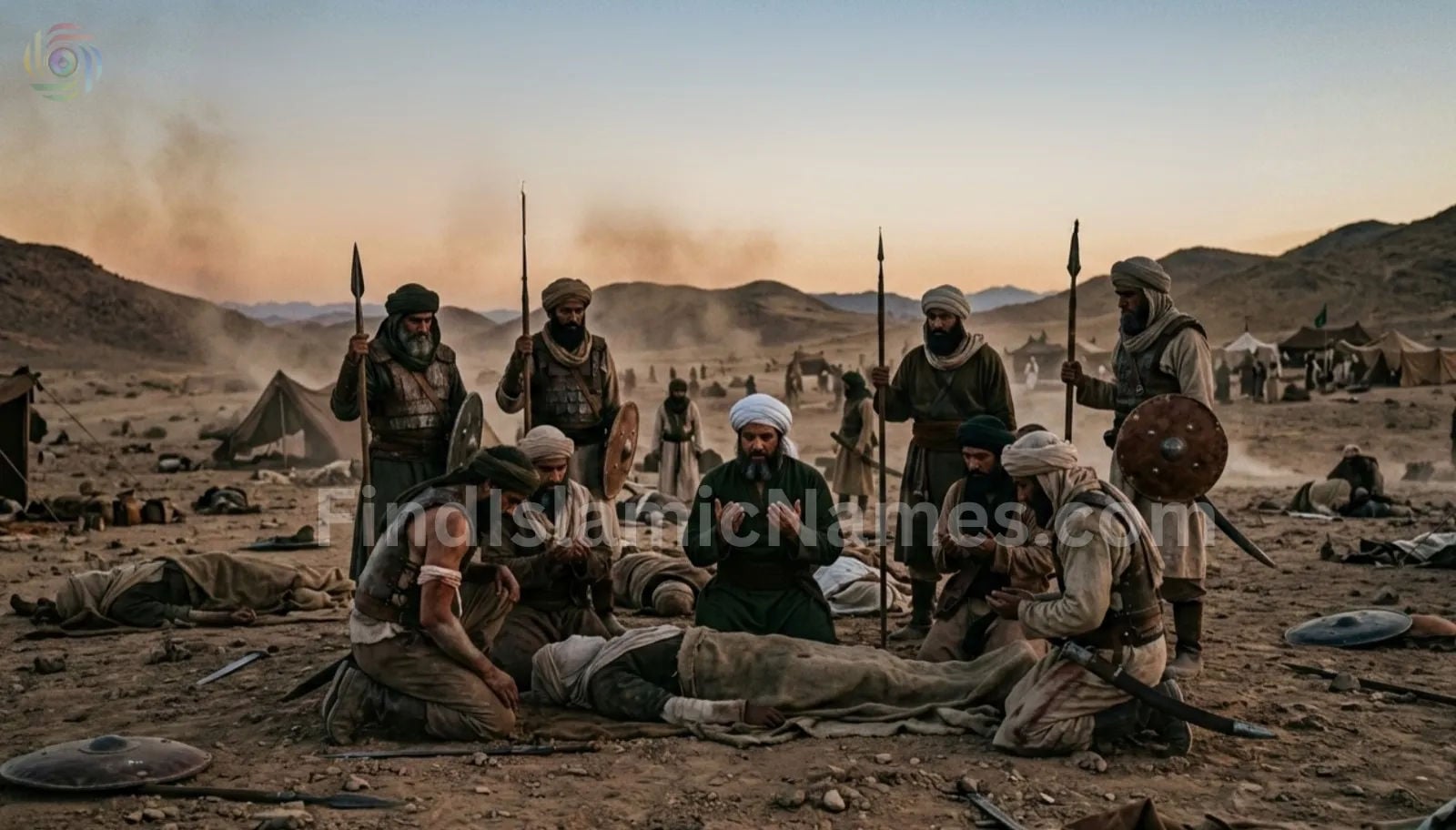
Showing 50 of 313 Badri Sahaba
Mihja ibn Salih
مهجع بن صالح
Awwal Shahid fi Badr (The Absolute First Martyr to fall at Badr)
Mihja means 'pure', 'clear spring'. He was the freed slave of Umar ibn al-Khattab. He was the very first martyr to fall in the Battle of Badr.
Khubayb ibn Isaf
خبيب بن إساف
Al-Ansari, Sahib Bay'at al-Aqaba
A companion from the Ansar who participated in the Aqabah pledges. He accepted Islam before the Hijra and was among those who supported the Prophet's migration to Madinah.
Muaz ibn al-Harith (Abu Halima)
معاذ بن الحارث أبو حليمة
Sahib Hadith al-Imama (Companion of the Famous Imam Hadith)
Muadh means 'protected'. He was an Ansari companion known for leading extra Tarawih prayers. He had such a long recitation in prayer that a man complained to the Prophet, leading to important rulings on imam consideration for congregation.
Amir ibn Rabi'a al-Anzi
عامر بن ربيعة العنزي
Min Awwal al-Muhajirin (Among Earliest Emigrants)
Amir means 'commander', 'prince'. He was among the earliest converts and emigrated to Abyssinia. He narrated hadiths and was known for his piety. He is related to the rulings about the evil eye in Islamic jurisprudence.
Khubayb ibn Abd al-Rahman
خبيب بن عبدالرحمن
Al-Ansari
Khubayb means 'beloved'. He was a companion and Tabi'i, grandson of Rafi ibn Malik al-Ansari. He was known for hadith narrations.
Shurahbil ibn Hasana
شرحبيل بن حسنة
Qa'id Fath al-Sham (Commander in the Conquest of Syria)
Shurahbil means 'lion of God'. He was a skilled commander and companion who participated in the conquest of Syria and the Battle of Yarmouk. He died in the plague of Amwas.
Yazid ibn Abi Sufyan
يزيد بن أبي سفيان
Qa'id al-Sham (Commander of Syria), Wali Dimashq (Governor of Damascus)
Yazid means 'he will increase'. He was the elder brother of Muawiyah and a capable commander. He led Muslim forces in Syria and was appointed governor of Damascus. He died in the plague of Amwas.
Amr ibn Uthman ibn Affan
عمرو بن عثمان بن عفان
Ibn Amir al-Mu'minin (Son of the Caliph)
Amr means 'life'. He was the son of the Caliph Uthman ibn Affan. He participated in the events of early Islamic history and narrated hadiths from his father and other companions.
Amr ibn Hurayth
عمرو بن حريث
Wali Kufa (Governor of Kufa)
Amr means 'life'. He was a young companion who accepted Islam as a child and settled in Kufa. He served as governor of Kufa briefly and was among the companions who lived into old age.
Ibrahim ibn Abd al-Rahman ibn Awf
إبراهيم بن عبدالرحمن بن عوف
Ibn Ashab al-Ashra (Son of One of the Ten Promised Paradise)
Ibrahim means 'father of many' or 'father of nations'. He was the son of Abd al-Rahman ibn Awf, one of the Ten Promised Paradise. He was a Tabi'i who narrated from his father.
Abu al-Tufayl Amir ibn Wathila
أبو الطفيل عامر بن واثلة
Akhir al-Sahabah wafatan (Last Companion to Die), Khaatim al-Sahabah
Abu al-Tufayl means 'father of the infant'. He was the last companion of the Prophet to die. He saw the Prophet as a child and narrated hadiths. His death marked the end of the era of the companions.
Aws ibn Samit al-Ansari
Note: See id 123
Al-Ansari
See entry 123
Sa'ib ibn Yazid
السائب بن يزيد
Sahib Hajjat al-Wida (Companion who performed Farewell Hajj as a child)
Sa'ib means 'the one who is correct', 'straight'. He was a companion who performed Hajj with the Prophet as a child. He was among the later-living companions and served in administrative roles.
Jabir ibn Samurah
جابر بن سمرة
Sahib Hadith al-Ithna Ashar Khalifah (Companion of the Twelve Caliphs Hadith)
Jabir means 'one who restores'. He was a companion who prayed with the Prophet and narrated hadiths about his physical description, the signs of the Hour, and political matters including the Hadith of Twelve Caliphs.
Nawwas ibn Saman
النواس بن سمعان
Sahib Hadith al-Dajjal (Companion of the Dajjal Hadith)
Nawwas means 'the wavering one'. He was a companion known for narrating hadiths about the Dajjal and the descent of Isa ibn Maryam at the end of times — some of the most detailed eschatological narrations in Islam.
Muhajirun ibn Abi Umayyah
مهاجر بن أبي أمية
Akh Umm Salama (Brother of Umm Salama)
Muhajirun means 'one who emigrates'. He was the brother of Umm Salama and participated in the early battles and campaigns of Islam.
Tariq ibn Shihab
طارق بن شهاب
Al-Mukhaddram (One who lived across two eras)
Tariq means 'night visitor', 'the morning star'. He saw the Prophet but narrated mostly from companions. He participated in many battles and was a narrator of hadith in Kufa.
Umm Hani bint Abi Talib
أم هاني بنت أبي طالب
Ukht Amir al-Mu'minin Ali (Sister of Ali), Sahiba Qissat al-Fath
Umm Hani means 'mother of Hani'. Her real name was Fakhitah or Hind. She was the sister of Ali ibn Abi Talib. The famous Night Journey (Isra) began from her home or near it in Makkah.
Subay'a bint al-Harith
Note: See id 225
Sahiba Ayat al-Iddah
See entry 225
Adi ibn Hatim al-Tai
عدي بن حاتم الطائي
Ibn Hatim al-Tai (Son of Hatim the Generous), Al-Jawwad (The Generous)
Adi means 'the just one'. He was the son of the legendary Arab generous man Hatim al-Tai. He was a Christian who accepted Islam and became a devoted companion known for generosity inherited from his father.
Umayr ibn al-Humam
عمير بن الحمام
Awwal Shahid min al-Ansar fil Badr
Umayr means 'long-lived'. He was an Ansari companion who was among the first to be martyred at the Battle of Badr. When told of paradise awaiting martyrs, he threw away his dates and rushed into battle.
Hatiib ibn Umayr
حاطب بن عمير
Sahabi
Hatib means 'wood gatherer'. A companion who participated in early battles and is recorded in the biographical literature of the companions.
Abu Sufyan ibn al-Harith variant
Note: See id 172
Al-Ta'ib, Ibn Amm al-Nabi
See entry 172
Al-Zibriqan ibn Badr
الزبرقان بن بدر
Sayyid Banu Tamim (Chief of Banu Tamim tribe)
Al-Zibriqan means 'the moon' or 'one who shines at night'. He was a chief of the Tamim tribe and a famous poet who accepted Islam. He participated in the campaigns against apostates.
Habib ibn Maslamah al-Fihri
حبيب بن مسلمة الفهري
Qa'id Mujahid (Brave Military Commander)
Habib means 'beloved'. He was a military commander and companion who was known for his extraordinary bravery. He was given the title 'Abu al-Haramayn' meaning father of the two sanctuaries for his campaigns.
Yazid ibn al-Aswad al-Jurashi
يزيد بن الأسود الجرشي
Al-Mustajab al-Dua (One Whose Prayers Are Answered)
Yazid means 'he will increase'. He was a companion and pious man whose prayers for rain were answered. People would use him as a wasilah (means) for supplication in times of drought.
Khirash ibn Umayyah
خراش بن أمية
Rasul al-Nabi ila Quraysh (Messenger of the Prophet to Quraysh at Hudaybiyyah)
Khirash means 'the scratcher'. He was a companion sent by the Prophet to negotiate with the Quraysh before the Treaty of Hudaybiyyah. He was attacked by the Quraysh but the Prophet sent Uthman instead after his return.
Qatada ibn al-Nu'man
قتادة بن النعمان
Sahib al-Ayn al-Marduda (Companion Whose Eye was Restored by the Prophet)
Qatada means 'hard wood', 'the firm one'. He was an Ansari companion known for his archery skill. His eye was struck out at Uhud and the Prophet restored it with his hand — it became the better of his two eyes.
Ibn Abi Awfa (Abdullah)
ابن أبي أوفى عبدالله
Akhir Sahabi bil Kufa (Last Companion to Die in Kufa)
His full name was Abdullah ibn Abi Awfa al-Aslami. He participated in battles with the Prophet and was the last surviving companion in Kufa. He went blind in old age.
Abu Shayma bint al-Harith
أبو شيماء بنت الحارث
Ukht Halima al-Sa'diyya (Sister of the Prophet's Wet Nurse)
Abu Shayma — her actual name was Huzafa or Judama. She was the sister of Halima al-Sa'diyya, the Prophet's wet nurse. She met the Prophet after the Battle of Hunayn and he honored her greatly.
Rabiah ibn Umayyah
ربيعة بن أمية
Tarjuman al-Nabi fil Hajj (Translator of the Prophet during Farewell Hajj)
Rabi'a means 'spring'. He was a companion who served as a translator for the Prophet during the Farewell Hajj. He later apostated and joined the Byzantines, becoming a regrettable exception among companions.
Malik ibn al-Dukhshum
مالك بن الدخشم
Al-Ansari, Sahib Qissat al-Nifaq (Companion at center of discussion about hypocrisy)
Malik means 'king'. He was an Ansari companion about whom the companions argued whether he was a hypocrite. The Prophet forbade speaking ill of him, saying he prayed and fasted sincerely.
Masruq ibn al-Ajda
مسروق بن الأجدع
Imam al-Kufiyyin (Scholar Imam of the Kufans)
Masruq means 'the stolen one'. He was a Tabi'i who absorbed the knowledge of companions like Aisha and Ibn Masud. He was a major jurist and scholar of Kufa.
Umm Atiyya al-Ansariyya
أم عطية الأنصارية
Al-Ghasilat al-Amwat (The Washer of the Dead among Companions)
Her real name was Nusayba bint Ka'b. She participated in multiple battles washing and shrouding the deceased. She narrated hadiths about women's religious duties, funerals, and Eid celebrations.
Zaynab bint Ali
زينب بنت علي
Aqilat Banu Hashim (The Wise Woman of Banu Hashim), Bint Ali
Zaynab means 'fragrant tree'. She was the daughter of Ali and Fatimah and granddaughter of the Prophet. She was present at Karbala and her courageous speech in the court of Yazid after Husayn's martyrdom is legendary.
Fatimah bint Abi Hurayra
فاطمة بنت أبي هريرة
Bint Abu Hurayra (Daughter of Abu Hurayra)
Fatimah means 'abstainer from wrong'. She was the daughter of Abu Hurayra and transmitted hadiths from her father. She was among the female transmitters of the prophetic traditions.
Kab ibn Ujrah
كعب بن عجرة
Sahib Ayat al-Fidya (Companion of the Fidya/Ransom Verse in Quran)
Ka'b means 'ankle' or 'high position'. He is the companion about whom the verse on 'Fidya' (ransom) of shaving the head while in ihram was revealed, after he was afflicted with lice. He narrated many hadiths.
Uqba ibn Amr al-Ansari
عقبة بن عمرو الأنصاري
Sahib Bay'at al-Aqaba al-Ula (Companion of the First Aqabah Pledge)
Uqba means 'mountain trail'. He was among the first Ansar to accept Islam at the First Aqabah pledge. He narrated hadiths and participated in battles. He settled in Kufa.
Bashir ibn Sad
بشير بن سعد
Awwal Man Bayya Abu Bakr (First to Pledge to Abu Bakr at Saqifah)
Bashir means 'bringer of good news'. He was an Ansari companion who was the first to pledge allegiance to Abu Bakr at Saqifah, preventing further dispute. He participated in battles and was martyred at Ain al-Tamr.
Abdullah ibn Abi Hadrad al-Aslami
عبدالله بن أبي حدرد الأسلمي
Sahib Qissat al-Dayn fil Masjid (Companion of the Debt Story in the Mosque)
Abdullah means 'servant of Allah'. He was a companion who participated in many battles. He is known for a famous debt dispute with a companion that the Prophet resolved in the mosque.
Asma bint Umays
أسماء بنت عميس
Zawjat Jafar, thumma Abu Bakr, thumma Ali (Wife of Three Great Companions sequentially)
Asma means 'names', 'precious'. She migrated to Abyssinia with her husband Jafar ibn Abi Talib, then to Madinah. She later married Abu Bakr after Jafar's martyrdom, and then Ali ibn Abi Talib. She was a renowned transmitter of hadith.
Abu al-As ibn al-Rabi variant
Note: See id 145
Ameen Quraysh
See entry 145
Mus'ab ibn Umayr variant
Note: See id 20
Awwal Safir fil Islam
See entry 20
Nufay ibn al-Harith
Note: See Abu Bakra al-Thaqafi (id 81)
Al-Mu'tiq
See entry 81
Umm Kalthum bint Uqba variant
Note: See id 178
Awwal Muhajira ba'd Hudaybiyya
See entry 178
Hubaab ibn al-Mundhir
الحباب بن المنذر
Sahib al-Ra'y al-Harbi (Military Strategist of the Prophet)
Hubaab means 'love', 'pure water'. He was the companion who suggested the strategic position of the well at the Battle of Badr, demonstrating that military counsel is acceptable. The Prophet approved his suggestion.
Shayba ibn Uthman al-Hajabi
شيبة بن عثمان الحجبي
Sayyid Sudanat al-Ka'ba (Chief of the Kaaba Custodians)
Shayba means 'the old man' or 'white-haired'. He was the custodian (Hajib) of the Kaaba who initially intended to kill the Prophet to avenge his father and uncle, but was miraculously stopped. He later accepted Islam and became its devoted protector.
Ramlah bint al-Harith
رملة بنت الحارث
Sahabiyya al-Ansariyya
Ramlah means 'sandy land'. She was an Ansari companion who hosted the Prophet during his visits. She was among the women who pledged allegiance to the Prophet.
Abu Lubabah ibn Abd al-Mundhir variant
Note: See id 67
Al-Ta'ib (The Repentant)
See entry 67
Maslamah ibn Mukhallad
مسلمة بن مخلد
Wali Misr (Governor of Egypt)
Maslamah means 'safety', 'peace'. He was a companion who became governor of Egypt. He was among the young companions who narrated hadiths and later participated in the administrative affairs of the caliphate.
Badri Sahaba Names – Companions of the Battle of Badr
The Battle of Badr is one of the most significant events in early Islamic history. It took place in 624 CE between the Muslims of Madinah and the Quraysh of Makkah. Under the leadership of Prophet Muhammad ﷺ, a small group of around 313 Muslims faced a much larger and better-equipped army.
The companions who participated in this historic battle are known as the Badri Sahaba(Ashab al-Badr). In Islamic tradition, they are honored with a special status because of their faith (īmān), sacrifice, and loyalty during a critical moment in the development of Islam.
For this reason, many Muslims search for Badri Sahaba names with meanings, not just to learn history but also to choose meaningful and respected names for their children.
Historical Note: The Battle of Badr is mentioned in the Holy Quran in Surah Al-Anfal (Chapter 8), where Allah describes it as a "day of distinction" between truth and falsehood.
Who Are the Badri Sahaba?
The term Badri Sahaba refers to the companions of the Prophet ﷺ who took part in the Battle of Badr. According to classical Islamic sources, their number was approximately 313, including both the Muhajirun (those who migrated from Makkah) and the Ansar (the helpers from Madinah).
Despite facing a much larger force, these companions showed extraordinary courage and trust in Allah. Their participation is considered a mark of greatness, and many scholars mention their special virtue in Islamic teachings.
In several narrations, the people of Badr are described as being among the most honored companions because of their early support and sacrifice.
The honored companions who stood beside the Prophet ﷺ
Why Are Badri Sahaba Names Important in Islam?
Badri Sahaba names are not just historical records—they represent real personalities who lived with strong character and faith. Choosing these names is meaningful because:
Parents who search for Islamic names from Sahaba or companions of Badr names often prefer these names because they carry both identity and legacy.
Famous Badri Sahaba and Their Contributions
Abu Bakr as-Siddiq (RA)
The closest companion of the Prophet ﷺ, known for his unwavering support and truthfulness. First Caliph of Islam and father of Aisha (RA).
Umar ibn al-Khattab (RA)
Known for justice, strength, and leadership. Second Caliph of Islam. His conversion to Islam gave strength to the early Muslim community.
Uthman ibn Affan (RA)
Third Caliph of Islam. Known for his modesty, generosity, and compilation of the Quran into a single book format.
Ali ibn Abi Talib (RA)
Fourth Caliph of Islam. Famous for wisdom, bravery, and knowledge. Cousin and son-in-law of the Prophet ﷺ.
Hamza ibn Abdul-Muttalib (RA)
The "Lion of Allah" and uncle of the Prophet ﷺ. A symbol of courage and strength in battle. Martyred at the Battle of Uhud.
Bilal ibn Rabah (RA)
The first Mu'azzin (caller to prayer). Known for his patience, faith, and dedication despite severe persecution in Makkah.
⚔️ Historical Context of the Battle of Badr
The Battle of Badr took place near a well-known area between Makkah and Madinah. At that time, Muslims were facing increasing pressure and hostility from the Quraysh.
Although the Muslims were fewer in number and had limited resources, they remained firm in their belief. The outcome of the battle is remembered as a decisive moment that strengthened the Muslim community.
This event is often described in Islamic history as a turning point that demonstrated how faith, unity, and determination can overcome even the most difficult challenges.

The Battle of Badr is mentioned in Surah Al-Anfal (The Spoils of War)
Lessons We Learn from the Badri Sahaba
The lives of the Badri Sahaba offer valuable lessons that remain relevant today:
Because of these qualities, their names are not only historical—they are inspirational.
👶 Choosing Names from the Badri Sahaba
Many parents prefer names from the companions of Badr because they carry deep meaning and historical value.
- ✓Understand the meaning and background of the name
- ✓Learn about the life of the companion
- ✓Choose a name that is easy to pronounce in your language
- ✓Select a name that reflects positive character traits
Names like these are often chosen with the intention of connecting the child to strong values and a respected legacy.
Important Considerations
- • Always maintain respect for the companions
- • Avoid incorrect spellings or meanings
- • Verify information from reliable sources
- • Understand that these names carry religious significance
Respect and accuracy are very important when dealing with Islamic historical figures.
Related Islamic Name Collections
Frequently Asked Questions About Badri Sahaba
Who are the Badri Sahaba?▼
How many companions were in the Battle of Badr?▼
Why are their names important?▼
Can we name children after Badri Sahaba?▼
Where is the Battle of Badr mentioned in the Quran?▼
Explore More Islamic History Resources
Final Thoughts
The names of the Badri Sahaba are deeply connected to one of the most important moments in Islamic history. They represent courage, faith, and dedication in the face of difficulty.
Choosing a name from among the companions of Badr is not just about selecting a name—it is about honoring a legacy of strength and faith. These names continue to inspire and guide people across generations.
Frequently Asked Questions
QWho are the Badri Sahaba?
Badri Sahaba are the 313 companions of Prophet Muhammad (ﷺ) who participated in the Battle of Badr, the first major battle in Islamic history. They hold a special honored status in Islam and are promised Paradise.
QHow many Badri Sahaba were there?
There were 313 Sahaba who participated in the Battle of Badr. They are all honored and respected for their faith and sacrifice.
QWhat is the significance of Badri Sahaba?
The Badri Sahaba hold a special status in Islam as they fought alongside the Prophet in the first decisive battle against the Quraysh. The Prophet prayed for their forgiveness, and they are promised Paradise.
QWho were the martyrs of Badr?
There were 14 martyrs from the Muslim side in the Battle of Badr, including their leader Haritha bin Suraqa al-Ansari. The Muhajirun (emigrants) had 6 martyrs, and the Ansar (helpers) had 8 martyrs.