Badri Sahaba Names Collection
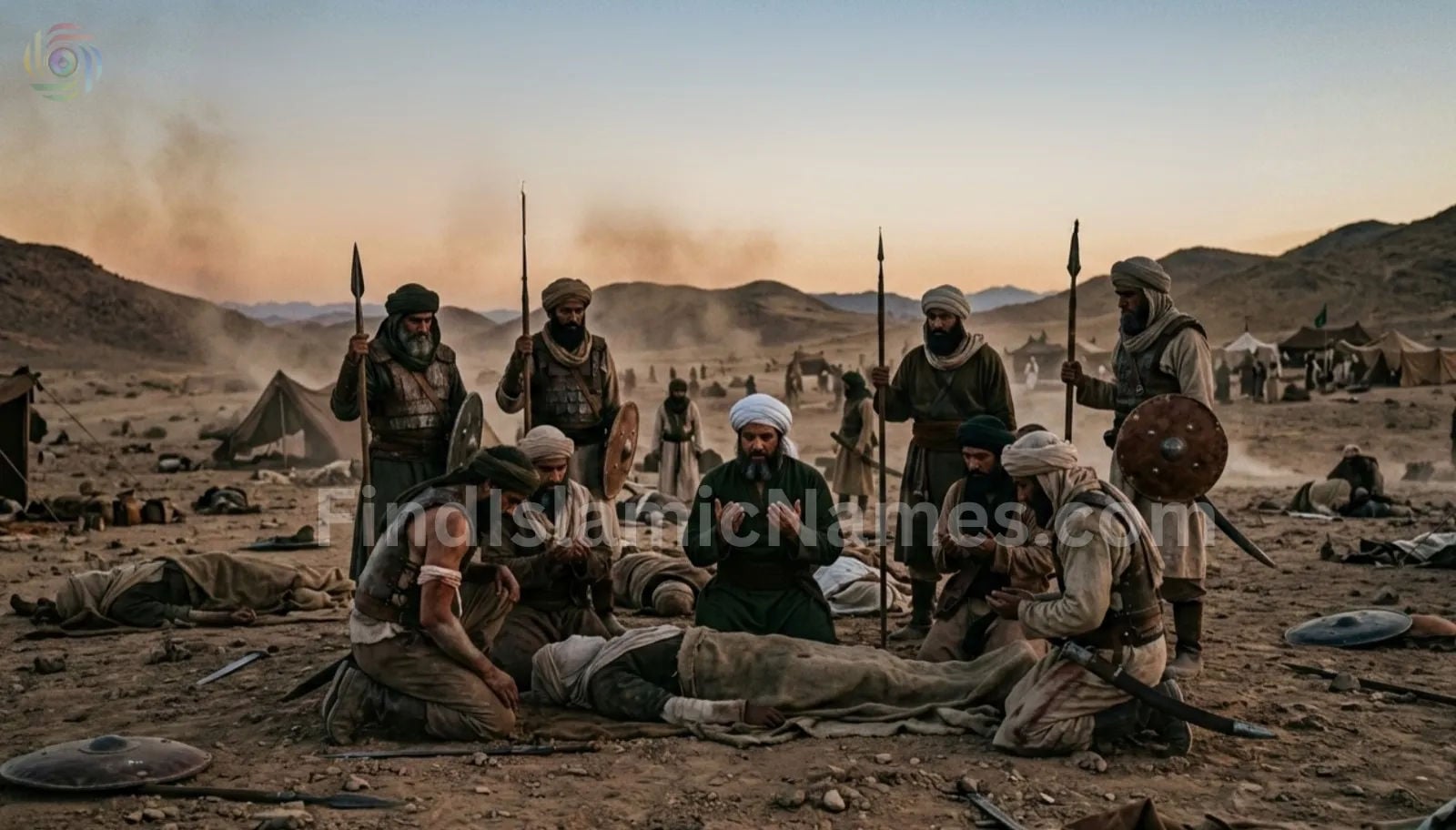
Discover the 313 brave companions of Prophet Muhammad (ﷺ) who participated in the Battle of Badr. These honored individuals hold a special status in Islamic history and are promised Paradise.Badri Sahaba names are not just historical records—they represent real personalities who lived with strong character and faith.
Download the complete list of all 313 Badri Sahaba names in PDF format.
Showing 50 of 313 Badri Sahaba
Salim Mawla Abi Hudhayfa
سالم مولى أبي حذيفة
Min Arba'a Yataalamu Minhum al-Quran (One of the Four from whom to Learn Quran)
Salim means 'safe', 'sound'. He was a freed slave adopted by Abu Hudhayfa. The Prophet instructed companions to learn Quran from four people, and Salim was one of them. He was martyred at Yamama.
Abu Kabsha al-Ansari
أبو كبشة الأنصاري
Al-Ansari (The Helper)
An Ansari companion known for narrating hadiths about charity and good deeds. He is distinct from Abu Kabsha, the foster-father of the Prophet.
Shaddad ibn Aws
شداد بن أوس
Sahib Dua Sayyid al-Istighfar
Shaddad means 'the mighty', 'the severe'. He was the nephew of Hassan ibn Thabit and an Ansari companion known for his vast knowledge. He narrated famous hadiths including the supplication 'Sayyid al-Istighfar'.
Rifa'a ibn Rafi
رفاعة بن رافع
Al-Ansari, Shahib Hadith al-Musi' Salatahu (Companion of the Hadith about Prayer Correction)
Rifa'a means 'elevation', 'raising'. He was an Ansari companion who participated in Badr and other battles. He narrated hadith about the proper way of prayer.
Abdullah ibn Unays
عبدالله بن أنيس
Sahib Sariyyat al-Nabi (Companion sent on a Special Mission by the Prophet)
Abdullah means 'servant of Allah'. He was an Ansari companion sent by the Prophet to assassinate Khalid ibn Sufyan al-Hudhali, a man gathering troops against the Muslims. He succeeded in his mission.
Aamir ibn Fuhayra
عامر بن فهيرة
Sahib Hijra (Companion of the Migration), Shahid Bi'r Ma'una
Amir means 'commander'. He was a slave owned by Abu Bakr who was purchased and freed. He was the camel-herder who helped cover the Prophet's tracks during the Hijra. He was martyred at Bi'r Ma'una.
Julaybib
جليبيب
Min Ahl al-Janna (Of the People of Paradise), Sahib al-Zawaj al-Nabi (Married by arrangement of the Prophet)
Julaybib is a diminutive form of 'Jalb' meaning 'attraction'. He was a poor companion of unknown lineage whom the Prophet arranged a marriage for. He was found martyred at Uhud surrounded by seven enemies he had killed.
Mujazziz al-Mudliji
مجزز المدلجي
Al-Qa'if (The Physiognomist)
Mujazziz means 'the cutter'. He was a physiognomist (expert in reading physical features) who confirmed the resemblance between the Prophet's feet and Usama ibn Zayd's feet, dispelling rumors about Usama's lineage.
Qays ibn Makhrama
قيس بن مخرمة
Sahib Riwayat al-Mawlid (Narrator of Birth-related Traditions)
Qays means 'firm'. He was a companion known for his narrations about the date of the Prophet's birth and early life events. He is cited in discussions of prophetic biography.
Umayma bint Ruqayqa
أميمة بنت رقيقة
Sahiba Bay'at al-Nisa (Witness to Women's Pledge)
Umayma means 'little mother'. She was a female companion who pledged allegiance to the Prophet. She narrated accounts of the bay'ah (pledge) made by women to the Prophet.
Umm Sharik al-Qurashiyya
أم شريك القرشية
Da'iyat al-Islam lil Nisa (Female Caller to Islam)
Her real name was Ghuzayya bint Jabir. She was a devout Qurayshi woman who secretly invited women to Islam in Makkah at great personal risk. She endured severe punishment for her efforts.
Safa bint al-Aswad
صفاء بنت الأسود
Sahabiyya (Female Companion)
Safa means 'clarity', 'purity'. She was among the female companions who pledged allegiance to the Prophet. Details of her life are preserved in the biographical dictionaries of companions.
Umm Fadl (Lubaba bint al-Harith)
أم الفضل لبابة بنت الحارث
Thani Man Aslamat (Second Woman to Accept Islam)
Lubaba means 'essence', 'core'. She was the second woman to accept Islam after Khadijah. She was the wife of Abbas ibn Abd al-Muttalib and the aunt of Khalid ibn al-Walid and Maymuna.
Abbas ibn Abd al-Muttalib
العباس بن عبدالمطلب
Amm al-Nabi (Uncle of the Prophet), Sayyid Banu Hashim
Abbas means 'stern-faced', 'lion'. He was the paternal uncle of the Prophet. He was captured at Badr and later became a sincere Muslim. He was highly respected and the Prophet prayed for rain through his intercession.
Abdullah ibn Abbas
Note: Same as Ibn Abbas (id 27). Combining here for completeness.
Hibr al-Ummah, Turjuman al-Quran
See id 27 — Abdullah ibn Abbas
Fadl ibn Abbas
الفضل بن العباس
Ridif al-Nabi (Rider behind the Prophet on Farewell Hajj)
Fadl means 'grace', 'virtue', 'excellence'. He was the son of Abbas ibn Abd al-Muttalib and rode behind the Prophet on his camel on the day of the Farewell Hajj. He was martyred during the plague of Amwas.
Ubayda ibn al-Abbas
عبيدة بن العباس
Ibn Amm al-Nabi (Cousin of the Prophet)
Ubayda means 'little servant'. He was the son of Abbas ibn Abd al-Muttalib and a companion. He participated in battles during the early caliphate period.
Qathm ibn Abbas
قثم بن العباس
Wali Makkah (Governor of Makkah)
Qathm means 'generous', 'one who gives much'. He was the son of Abbas and resembled the Prophet greatly. He served as governor of Makkah and Madinah.
Tammam ibn Abbas
تمام بن العباس
Ibn Amm al-Nabi (Cousin of the Prophet)
Tammam means 'completeness'. He was the son of Abbas ibn Abd al-Muttalib and a companion of the Prophet. Details of his life are recorded in biographical works of the companions.
Ubaydullah ibn Abbas
عبيدالله بن العباس
Wali al-Yaman (Governor of Yemen)
Ubaydullah means 'little servant of Allah'. He was the son of Abbas and served as governor of Yemen under Ali ibn Abi Talib. He was known for his generosity.
Nawfal ibn al-Harith
نوفل بن الحارث
Ibn Amm al-Nabi (Cousin of the Prophet)
Nawfal means 'sea', 'generous one'. He was the cousin of the Prophet and accepted Islam. He was one of the companions who provided arrows (equipment) for the Muslim army. He settled in Makkah.
Abu Sufyan ibn al-Harith
أبو سفيان بن الحارث
Al-Ta'ib (The Repentant), Ibn Amm al-Nabi
His real name was al-Mughira. He was the cousin and foster-brother of the Prophet who initially mocked him in poetry. He later repented sincerely and became a devoted Muslim. The Prophet forgave him.
Rabi'a ibn al-Harith
ربيعة بن الحارث
Ibn Amm al-Nabi (Cousin of the Prophet)
Rabi'a means 'spring season', 'green pasture'. He was the cousin of the Prophet from the Hashimite family. He was an elder companion respected for his family connection to the Prophet.
Aqil ibn Abi Talib
عقيل بن أبي طالب
Nasab Quraysh (Genealogist of Quraysh), Ibn Amm al-Nabi
Aqil means 'intelligent', 'wise'. He was the brother of Ali ibn Abi Talib and Jafar ibn Abi Talib. He was known for his extensive knowledge of Arab genealogy and family lineages.
Abu al-Abbas al-Ansari
أبو العباس الأنصاري
Al-Ansari (The Helper)
His name was Sahl ibn Said. Noted as a long-living Ansari companion who witnessed many important events in Islamic history.
Al-Harith ibn Abi Umala
الحارث بن أبي عمالة
Al-Ansari
Al-Harith means 'the plower', 'cultivator'. He was a companion known for his participation in battles and narration of hadiths.
Abul Bakhtari al-As ibn Hisham
أبو البختري العاص بن هشام
Kana min Ahsan Quraysh (Among the Fairest of Quraysh before Islam)
Abu al-Bakhtari was one of the fairest Qurayshi men who protected the Prophet early on. He was killed at Badr — the Prophet had requested his sparing but he refused to flee without his companion.
Umm Kulthum bint Uqba
أم كلثوم بنت عقبة
Awwal Muhajira ba'd Hudaybiyya (First Woman to Migrate after Hudaybiyyah)
Umm Kulthum means 'mother of Kulthum'. She was the first woman to migrate from Makkah to Madinah alone after Hudaybiyyah. Allah revealed verses about her that changed the treaty conditions regarding women returnees.
Umm Waraqah al-Ansariyya
أم ورقة الأنصارية
Awwal Imama lil Nisa (First Woman Permitted to Lead Prayer for Her Household)
Umm Waraqah means 'mother of Waraqa'. She was a companion who had memorized the Quran. The Prophet permitted her to lead prayer for her household, making her a notable example in Islamic jurisprudence.
Layla bint al-Minhal (Umm Sulaym variant)
ليلى بنت المنهال
Sahabiyya (Female Companion of the Ansar)
Layla means 'night'. She was a companion from the Ansar. Some narrations distinguish her from Umm Sulaym. She was known for her piety.
Umm Kulthum bint Ali
أم كلثوم بنت علي
Bint Ali, Hafeedat al-Nabi (Granddaughter of the Prophet)
She was the daughter of Ali ibn Abi Talib and Fatimah, granddaughter of the Prophet. She later married Umar ibn al-Khattab — a marriage that honored the family ties between the Prophet's family and Umar's.
Zayd ibn al-Arqam variant
Note: See id 146 — Zayd ibn Arqam
Kashif al-Nifaq
See entry 146
Aws ibn Malik
أوس بن مالك
Al-Ansari
Aws means 'gift'. He was a companion from the Ansar who participated in the pledge at Aqabah and various battles. He narrated hadiths preserved in the collections.
Mukhayrriq
مخيريق
Khayr al-Yahud (Best of the Jews), Companion who fought at Uhud
Mukhayrriq means 'the clever one'. He was a Rabbi of the Jewish Banu Qaynuqa tribe who believed Muhammad to be a prophet and willed all his wealth to him at the Battle of Uhud, where he fought alongside the Muslims.
Umayr ibn Sad al-Ansari
عمير بن سعد الأنصاري
Wali al-Zuhd wal Wara (Governor of Asceticism and Piety)
Umayr means 'long-lived'. He was a pious governor appointed by Umar who returned from his post poorer than when he left, refusing all material gain — earning Umar's highest praise.
Hisham ibn Amr al-Amiri
هشام بن عمرو العامري
Sahib al-Boycott al-Fakkik (One Who Helped Break the Boycott of Muslims)
Hisham means 'generosity', 'one who breaks bread for others'. He was a companion who took food to the early Muslims of Banu Hashim who were boycotted in the Shi'b of Abu Talib, at great personal risk.
Abu Sinaan al-Asadi
أبو سنان الأسدي
Shahid Badr
Abu Sinaan means 'father of the spearhead'. He was a companion who participated in the battle of Badr and several other campaigns. He narrated hadiths and his son Sinaan was also a companion.
Qara ibn Quraysh
قرة بن قريش
Sahabi
Qara means 'cold', 'cloud'. A companion known through hadith narrations, recorded in the classical biographical dictionaries of companions.
Hakim ibn Hizam
حكيم بن حزام
Al-Mawlud fil Ka'ba (Born Inside the Kaaba)
Hakim means 'wise', 'judge'. He was the nephew of Khadijah and was born inside the Kaaba — the only person known to have been born there. He accepted Islam at the Conquest of Makkah and became a generous and respected companion.
Mutim ibn Adi
مطعم بن عدي
Kana min Dhawi al-Muru'ah (Man of Nobility who Protected the Prophet — died before Islam)
Mutim means 'feeder', 'one who feeds'. He was the Qurayshi nobleman who extended protection to the Prophet after his return from Ta'if. Though he died as a polytheist, the Prophet said he would have freed Badr captives for his sake.
Abu Talhah al-Ansari variant
Note: See id 36 — Abu Talha al-Ansari
Faris al-Ansar
See entry 36
Al-Nu'man ibn Muqarrin
النعمان بن مقرن
Shahid Nihawand (Martyr of Nihawand), Qa'id al-Fath (Leader of the Conquest)
Al-Nu'man means 'blood', 'grace' in Arabic. He was an Ansari companion who participated in many battles and was martyred at the Battle of Nihawand (the Conquest of Persia), having requested to lead the charge.
Jarir ibn Abdullah al-Bajali
جرير بن عبدالله البجلي
Yusuf Hadhihi al-Ummah (Joseph of this Nation — for his handsome appearance)
Jarir means 'one who leads', 'rope'. He was a handsome companion from the Bajila tribe who accepted Islam in the 10th year of Hijra. The Prophet prayed for him to be loved by people and he was.
Hind bint Amr (Umm Fadl)
أم الفضل هند بنت عمرو
Sahabiyya
She was identified as a companion known for her narrations. Some scholars distinguish her from Lubaba bint al-Harith. She narrated hadiths preserved in the collections.
Zaynab bint Abi Salama
زينب بنت أبي سلمة
Rabi'at al-Nabi (Foster Daughter of the Prophet)
Zaynab means 'fragrant tree'. She was the stepdaughter of the Prophet, daughter of Umm Salama from her first husband. She was raised in the Prophet's household and was known for her knowledge.
Barira
بريرة
Sahiba Qissat al-Khiyar (Companion of the Famous Story of Choice in Marriage)
Barira means 'the pious', 'the good'. She was a female slave freed by Aisha. Her story is famous in Islamic law — when she was freed, she was given the choice to remain with or leave her husband, as slavery had ended her marriage contract.
Abu Muwayhiba
أبو مويهبة
Mawla Rasulillah (Freed Slave of the Prophet)
His name means 'father of Muwayhiba'. He was a freed slave of the Prophet who narrated the famous account of the Prophet visiting the graveyard of al-Baqi at night and praying for its inhabitants shortly before his death.
Anas ibn Abi Marthad
أنس بن أبي مرثد
Shahid Bi'r Ma'una
Anas means 'companionship'. He was a companion who was part of the group in the tragic incident of Bi'r Ma'una where a group of companions were massacred while on a teaching mission.
Suraqah ibn Malik
سراقة بن مالك
Sahib Qissat al-Hijra (Companion of the Migration Story), Man Yalbas Siwaray Kisra
Suraqah means 'one who steals away quietly' or 'the thief of hearts'. He was the man who pursued the Prophet during the Hijra, but his horse sank into the ground each time he approached. He converted and the Prophet told him he would wear the bracelets of Chosroes.
Imran ibn Husayn
عمران بن حصين
Sahib Taslim al-Mala'ika (Recipient of Angels' Greetings)
Imran means 'prosperity', 'civilization'. He was a companion known for his asceticism and continuous angelic salutations he could hear — until he used a cauterization treatment, after which the salutations stopped temporarily.
Badri Sahaba Names – Companions of the Battle of Badr
The Battle of Badr is one of the most significant events in early Islamic history. It took place in 624 CE between the Muslims of Madinah and the Quraysh of Makkah. Under the leadership of Prophet Muhammad ﷺ, a small group of around 313 Muslims faced a much larger and better-equipped army.
The companions who participated in this historic battle are known as the Badri Sahaba(Ashab al-Badr). In Islamic tradition, they are honored with a special status because of their faith (īmān), sacrifice, and loyalty during a critical moment in the development of Islam.
For this reason, many Muslims search for Badri Sahaba names with meanings, not just to learn history but also to choose meaningful and respected names for their children.
Historical Note: The Battle of Badr is mentioned in the Holy Quran in Surah Al-Anfal (Chapter 8), where Allah describes it as a "day of distinction" between truth and falsehood.
Who Are the Badri Sahaba?
The term Badri Sahaba refers to the companions of the Prophet ﷺ who took part in the Battle of Badr. According to classical Islamic sources, their number was approximately 313, including both the Muhajirun (those who migrated from Makkah) and the Ansar (the helpers from Madinah).
Despite facing a much larger force, these companions showed extraordinary courage and trust in Allah. Their participation is considered a mark of greatness, and many scholars mention their special virtue in Islamic teachings.
In several narrations, the people of Badr are described as being among the most honored companions because of their early support and sacrifice.
The honored companions who stood beside the Prophet ﷺ
Why Are Badri Sahaba Names Important in Islam?
Badri Sahaba names are not just historical records—they represent real personalities who lived with strong character and faith. Choosing these names is meaningful because:
Parents who search for Islamic names from Sahaba or companions of Badr names often prefer these names because they carry both identity and legacy.
Famous Badri Sahaba and Their Contributions
Abu Bakr as-Siddiq (RA)
The closest companion of the Prophet ﷺ, known for his unwavering support and truthfulness. First Caliph of Islam and father of Aisha (RA).
Umar ibn al-Khattab (RA)
Known for justice, strength, and leadership. Second Caliph of Islam. His conversion to Islam gave strength to the early Muslim community.
Uthman ibn Affan (RA)
Third Caliph of Islam. Known for his modesty, generosity, and compilation of the Quran into a single book format.
Ali ibn Abi Talib (RA)
Fourth Caliph of Islam. Famous for wisdom, bravery, and knowledge. Cousin and son-in-law of the Prophet ﷺ.
Hamza ibn Abdul-Muttalib (RA)
The "Lion of Allah" and uncle of the Prophet ﷺ. A symbol of courage and strength in battle. Martyred at the Battle of Uhud.
Bilal ibn Rabah (RA)
The first Mu'azzin (caller to prayer). Known for his patience, faith, and dedication despite severe persecution in Makkah.
⚔️ Historical Context of the Battle of Badr
The Battle of Badr took place near a well-known area between Makkah and Madinah. At that time, Muslims were facing increasing pressure and hostility from the Quraysh.
Although the Muslims were fewer in number and had limited resources, they remained firm in their belief. The outcome of the battle is remembered as a decisive moment that strengthened the Muslim community.
This event is often described in Islamic history as a turning point that demonstrated how faith, unity, and determination can overcome even the most difficult challenges.

The Battle of Badr is mentioned in Surah Al-Anfal (The Spoils of War)
Lessons We Learn from the Badri Sahaba
The lives of the Badri Sahaba offer valuable lessons that remain relevant today:
Because of these qualities, their names are not only historical—they are inspirational.
👶 Choosing Names from the Badri Sahaba
Many parents prefer names from the companions of Badr because they carry deep meaning and historical value.
- ✓Understand the meaning and background of the name
- ✓Learn about the life of the companion
- ✓Choose a name that is easy to pronounce in your language
- ✓Select a name that reflects positive character traits
Names like these are often chosen with the intention of connecting the child to strong values and a respected legacy.
Important Considerations
- • Always maintain respect for the companions
- • Avoid incorrect spellings or meanings
- • Verify information from reliable sources
- • Understand that these names carry religious significance
Respect and accuracy are very important when dealing with Islamic historical figures.
Related Islamic Name Collections
Frequently Asked Questions About Badri Sahaba
Who are the Badri Sahaba?▼
How many companions were in the Battle of Badr?▼
Why are their names important?▼
Can we name children after Badri Sahaba?▼
Where is the Battle of Badr mentioned in the Quran?▼
Explore More Islamic History Resources
Final Thoughts
The names of the Badri Sahaba are deeply connected to one of the most important moments in Islamic history. They represent courage, faith, and dedication in the face of difficulty.
Choosing a name from among the companions of Badr is not just about selecting a name—it is about honoring a legacy of strength and faith. These names continue to inspire and guide people across generations.
Frequently Asked Questions
QWho are the Badri Sahaba?
Badri Sahaba are the 313 companions of Prophet Muhammad (ﷺ) who participated in the Battle of Badr, the first major battle in Islamic history. They hold a special honored status in Islam and are promised Paradise.
QHow many Badri Sahaba were there?
There were 313 Sahaba who participated in the Battle of Badr. They are all honored and respected for their faith and sacrifice.
QWhat is the significance of Badri Sahaba?
The Badri Sahaba hold a special status in Islam as they fought alongside the Prophet in the first decisive battle against the Quraysh. The Prophet prayed for their forgiveness, and they are promised Paradise.
QWho were the martyrs of Badr?
There were 14 martyrs from the Muslim side in the Battle of Badr, including their leader Haritha bin Suraqa al-Ansari. The Muhajirun (emigrants) had 6 martyrs, and the Ansar (helpers) had 8 martyrs.